Pain is rarely simply a sign. It shapes the method people breathe, relocate, work together, and keep in mind. In emergencies and frontline treatment, the ability to decrease pain quickly and safely modifications outcomes. It stops spirals of concern, relaxes physiology, and allows teams full time-critical treatments without fighting the body's response to safeguard itself. The PUAEME008 Offer Discomfort Administration system is designed for that setting. It offers medical professionals and -responders a practical framework for assessing, carrying out, and keeping an eye on analgesia rapidly, then turning over a client that fits, steady, and documented properly.
I have educated loads of paramedic students, registered nurses, and allied health practitioners through short courses in pain management connected to this device. The prospects that stand out are not the ones who can state medication doses from memory, however those who can review a scene, make a defensible decision at speed, and connect plainly under stress. PUAEME008 rewards precisely that mix of judgment, technique, and accountability.
What PUAEME008 covers, and why it matters
The unit rests within the public security and emergency administration structure. In ordinary terms, PUAEME008 Provide Pain Management concentrates on the secure stipulation of analgesia in prehospital and urgent-care setups. Most programs that supply a discomfort administration certificate built on PUAEME008 train to a specified scope: the use of breathed in methoxyflurane under medical administration, with structured assessment, contraindication testing, surveillance, and handover.
The worth is rate with safety and security. Methoxyflurane is portable, titratable, and acquainted across emergency discomfort monitoring. It can be self-administered with training, which indicates a single responder can control pain while juggling other tasks. When the program is instructed well, prospects acquire a repeatable flow: evaluate discomfort, display, prepare, coach breathing, monitor degree of awareness and essential indicators, paper, and intensify or discontinue according to response.
Not every jurisdiction or company permits the exact same medicines. Some services set methoxyflurane with dental anesthetics such as paracetamol or ibuprofen, or with topical agents. PUAEME008 does not transform learners right into autonomous prescribers. It constructs capability in a narrow, high-yield slice of discomfort monitoring that is easily controlled by protocols.
Who take advantage of this discomfort administration training
There is a sweet place of functions where a fast-track pain management certification opens capacity without creating scope-of-practice headaches. Event medics, lifeguards, very first responders installed in industrial websites, and volunteers in remote or country help articles are the noticeable instances. The device additionally fits health experts that currently practice under supervision however want quicker, more secure pathways to minimize discomfort before definitive care.
Nurses and physiotherapists being in a nuanced position. Discomfort monitoring training courses for registered nurses who operate in urgent treatment, minor injury systems, or retrieval coordination usually consist of PUAEME008 as a sensible add-on. It helps them move from sympathy to activity at triage, providing very early analgesia as opposed to waiting for a doctor's order when protocols allow. Pain management courses for physiotherapists, especially those working in high-performance sport or outreach bone and joint facilities, make use of the training to make severe injury monitoring calmer and much less distressing. The physio therapists I have educated value the confidence to state, with structure, that a troubled patient has actually been examined, treated within procedure, and awaits imaging or transport.
What to anticipate in a fast-track certification course
A well-run discomfort administration certification training course lined up to PUAEME008 compresses right into a single day or more brief sessions. The classroom hours are much shorter than lots of expect, however they are thick. Anticipate to cover the theory of pain, the pharmacology and contra-indications of the chosen analgesic, and the operational elements that make or break risk-free distribution. The analysis is hands-on. You will run through simulated patients who do not act precisely like the textbook. Some coughing into the inhaler, others talk through the mask without a solitary breathing, and a couple of quit utilizing it the minute their discomfort dips from nine to seven. The assessment checks whether you can observe those information, change, and keep the person within a secure, reliable range.
Typical knowing results consist of the capacity to:
- Perform organized discomfort assessment and choose an analgesic technique within scope Identify and handle contraindications and precautions for methoxyflurane or authorized alternatives Prepare, train, and oversee self-administered inhalational analgesia while checking safety Document discomfort ratings, important indicators, dosages, and patient response with clearness for handover
Most service providers mix lecture, instance discussion, and scenario-based method. The excellent ones invest extra time on paperwork and on what to do when the plan is not functioning. I insist on two complete scenarios where the student have to stop analgesia for safety and security and pivot to non-pharmacological strategies while rising for extra support. It shows the difference between perseverance and stubbornness.
Scope, administration, and the reality of protocol-based practice
The expression give pain administration can be deceptive. This is a protocol-driven ability. Students run under a medical governance framework set by the course carrier and the employing company. That framework specifies medication selection, dosage limitations, keeping an eye on regularity, and mandatory coverage occasions. A strong program ties every method step back to that governance.
Candidates ought to entrust a practical view of extent. If the patient's pain is severe and not reacting to inhalational analgesia, the following step may be IV opioids or nerve blocks. Those are outside the extent of PUAEME008. The right move ends up being acceleration: require a higher-qualified medical professional and proceed supportive treatment while avoiding harm. That is not failure. It is what secure systems look like.
Remember the ecological piece. Methoxyflurane is flammable and generates vapor. Most courses instruct secure use in well-ventilated setups, with explicit guidelines for constrained spaces and no ignition resources. I have actually seen -responders try to run an inhaler inside a tiny automobile during a storm. A couple of minutes of patience to transfer to an aerated location minimizes danger without compromising care.
Anatomy of a sound assessment
Effective discomfort monitoring training courses teach analysis as greater than a number on a range. The number matters, but so does trajectory, context, and feature. You want to know where the pain is, what causes it, and exactly how it changes. An individual at rest that reports 4 however has safeguarding and superficial breathing might be worse off than the calm who states 6 and moves freely.
Pain ranges, from numerical to Wong-Baker faces, assistance create a common language. The technique is consistent usage. If you begin with a numerical scale, turn over a numerical scale. If you train a kid with a faces scale, document which face matched before and after, rather than translating midstream. During training courses, I ask students to establish a threshold for success prior pain management training courses to the very first dose. If the patient goes to eight, your goal could be to get to 4 or much better within 10 mins without adverse impacts. That structure focuses the team and decides to continue or quit easier.
Monitoring should consist of heart price, respiratory system price, degree of consciousness, and oxygen saturation if offered. Methoxyflurane can create drowsiness and hypotension. A lot of unfavorable impacts are mild and fix with cessation. Deep sedation, persistent hypotension, or paradoxical anxiety require immediate cessation, helped air flow if needed, and rise according to local protocols.
Documentation that stands up in handover and audit
Good documents tells a brief, clear tale. Record the preliminary pain score and context, the permission process and contraindication display, the dosage or period of breathed in analgesia, the vital signs at defined periods, and the pain rating after each adjustment. Make a note of what changed and why. If the individual started self-administering and after that stressed, note it. If you stopped briefly because of drowsiness, consist of the moment and the response. In audits, it is the chain of reasoning that shields you, not the ambiance that you were careful.
The best pain management training for registered nurses and allied health includes templates. Utilize them till the circulation is second nature. When the ambulance staff shows up or the ED triage registered nurse takes control of, a structured handover with numbers, times, and negative impact screening goes right right into the graph without friction.
Pharmacology and safety and security, without the fluff
Methoxyflurane remains the core medicine educated in lots of certification course suffering monitoring programs aligned with PUAEME008. In subanesthetic dosages using a portable inhaler, it offers rapid analgesia. Start is within mins, height depends on initiative, and period tails as the person quits inhaling. The positive scent is an advantage for some, a negative aspect for others. Queasiness, wooziness, and sedation are common dose-related results. Rare hepatic or kidney issues connect to collective exposure, which is why programs track dosage restrictions over a duration and limit regularity of use.
Contraindications generally include considerable cardiovascular instability, depressed level of awareness, recognized malignant hyperthermia, and particular kidney or hepatic conditions. Precautions might consist of senior individuals, those on CNS depressants, and dried people. The factor of the training course is not to transform participants into pharmacologists, but to anchor application and security in a checklist that can be run under pressure.
Non-pharmacological complements ought to be part of every pain administration training course. Splinting reduces movement-provoked pain. Ice and elevation aid with soft cells injuries. Verbal training and breathing methods lower stress and anxiety, which lowers perceived discomfort. I still see students hurry to the inhaler while leaving a broken wrist unsplinted. That is backward. Debilitate initially, then reassess. You may make use of much less medicine, with less side effects, and a more pleased patient.
Real-world circumstances that divide theory from practice
A teen with an ankle joint inversion on a sloppy football oval is a classic. Discomfort at 7, swelling noticeable, guarding solid. You can go through PUAEME008 Supply Pain Administration steadly: scene risk-free and aerated, authorization from the individual and guardian if present, display for contraindications, use ice and compression, boost the limb, after that train the inhaler. View the face, not simply the number. If she smiles in between inhalations and starts to aid you apply the splint, you are winning. If she ends up being glassy-eyed and stops replying to your voice, time out quickly, support airway, reassess vitals, and think about various other causes like vasovagal action or dehydration.
A a lot more complicated example is a low-speed rear-end crash with a middle-aged male suffering neck and shoulder discomfort at 8, hypertensive, tachycardic, but meaningful. You are outside a small facility without power after a tornado. Air flow is great, lights is restricted, anxiousness is high. This is where the fast-track method beams. While one employee secures hand-operated in-line stablizing and prepares a collar if suggested by assessment, the other runs a concentrated screen, explains the inhaler, and monitors self-administration. Within mins the person's voice softens, heart rate decreases, and you can proceed your spine precautions and secure extrication without a struggle. Document the added ecological variables and the reason for early analgesia prior to complete diagnostics.
Short training courses in pain management, and how they differ
Not all pain management courses are created equal. If you search for a pain administration certification training course, you will see programs targeted at expert registered nurses, anesthetic students, and persistent discomfort medical professionals together with emergency-focused certificates. PUAEME008 belongs to the emergency and prehospital branch. It is not a chronic pain program, nor does it insurance claim to attend to neuropathic discomfort paths, opioid stewardship, or interventional strategies. The brief course layout is a feature, not an insect. It restricts the range to high-utility abilities that can be examined and refreshed regularly.
If you require the deepness of a discomfort management certification that covers long-lasting pharmacology, biopsychosocial frameworks, and multimodal planning, search for a longer program frequently supplied by universities or specialist universities. For rapid deployment in the area, the PUAEME008 supply discomfort management pathway is the appropriate tool.
What experienced resemble on day one
Confidence is not bravado. On the initial day after earning a discomfort monitoring certification, you need to feel comfortable establishing, delivering, and documenting inhaled analgesia within protocol while maintaining your eyes on safety and security. You ought to be able to state aloud why this patient is a prospect, what your target is, and when you will certainly quit. You must describe to the client that they control the inhaler and can alleviate off if they really feel lightheaded. You must not need to examine a handbook to know when to escalate for help.
If you can not do that yet, you need more scenarios, not more talks. Ask your trainer to run side situations: a client who rejects, one that becomes drowsy, one who has bronchial asthma and begins to wheeze, one with an allergy background that sets off a mindful strategy. Design the choices in real time. Those repeatings construct the mental map that maintains you tranquil later.

For nurses and physio therapists: integrating into your workflow
Pain management training for registered nurses syncs with triage and early intervention. In immediate treatment, very early analgesia decreases re-presentation, reduces agitation, and lets diagnostic exams proceed without sedation. A nurse-led path that includes PUAEME008 Give Discomfort Administration can flip the script at busy times. Rather than parking a client in a waiting space at 8 out of 10, you assess, supply risk-free analgesia, and re-score in fifteen mins. Physicians appreciate clear notes, and people trust fund the service more.
Physiotherapists often see acute pain in motion: on a sideline, in a clinic after a work environment pressure, or in remote outreach when travel time is long. Discomfort administration training courses that include breathed in analgesia are not around concealing injury. They have to do with acquiring enough convenience to complete safe assessment, apply a brace or tape, or tons a client for imaging without unneeded distress. Clear policies around when not to supply analgesia become part of the program. If pain is the only red flag maintaining a person from using an arm or leg, reducing it without an appropriate differential can mislead both medical professional and client. The course educates organized testing to prevent that trap.
Choosing a provider, and what to ask before you book
A fast-track program ought to still meet a high bar. Search for instructors with actual prehospital or intense treatment experience. Ask exactly how they examine skills rather than participation. Great programs consist of scenario-based analysis with feedback, not just a multiple-choice quiz. Inquire about recency requirements to keep currency, and how the company tracks collective methoxyflurane direct exposure if they release the consumables. Clear up whether the course is identified by your employer or specialist body.
If you work under a medical director or professional lead, bring their procedure to the course. The trainer ought to be willing to map the teaching to your local regulations. Discomfort administration courses for nurses frequently integrate with medication standing orders. Physio-led programs in sporting activities settings may include rules around go back to play and compulsory imaging. The closer the course sits to your real method, the better it becomes.

The handover that wins you allies
Emergency care is a relay. The following medical professional requires clear, succinct information. When you turn over after offering pain monitoring, you need to cover five factors in under a minute: initial discomfort rating and context, contraindication screen and permission, what analgesia you provided and the length of time, unbiased changes in vitals and pain score, and any type of adverse results or reasons you quit. Include one line concerning what continues to be to be done. That framework earns trust and rates conclusive care.
I have had emergency situation medical professionals ask especially for -responders trained in PUAEME008 after a collection of tidy handovers. A repeatable framework makes the system feel more secure. If you ever question the value of a brief course in pain administration, view the pace change when a distressed person shows up already calmer, splinted, and documented.
Edge situations worth assuming through
Patients with persistent discomfort syndromes respond in a different way. They may carry baseline high discomfort ratings and may under-report unfavorable impacts. Approach with the very same framework, yet evaluate the useful trajectory extra greatly. If the person stays secured and stable regardless of reported renovation, reassess your plan.
Children bring communication obstacles. The training should offer you age-appropriate permission and training language. In my courses, we experiment a volunteer that plays a reluctant eight-year-old, due to the fact that tone and pacing issue greater than any specific expression. A child who feels in pain management training for healthcare professionals control will certainly self-administer more effectively and safely.
Remote or hot settings transform whatever. Vapor diffusion, hydration condition, and tiredness impact both patient and carrier. Strategy ventilation and color prior to you open the analgesic. Build a behavior of establishing a five-minute timer for reassessment in these settings so you do not drift.
Keeping skills fresh
Certificates expire. Skills fade faster. Take another look at situations every couple of months, particularly if you seldom see serious sharp pain. Web link refreshers to real occurrences. After a challenging instance, debrief with your team: what worked, what you would certainly alter, where the method really felt tight or loose. Excellent providers provide short refresher course modules. Take them. Discomfort management training for registered nurses and physio therapists gain from matching refreshers with new case law and updates on product labeling or monitoring guidelines.
The larger photo of patient dignity
The best reason to purchase a pain management certification course is not the credential. It is the difference in just how care feels. A client in agony usually remembers little other than anxiety. If you can alter that memory to among being listened to and alleviated, also partly, you have actually changed their connection to healthcare. That count on aids the following medical professional do their task, boosts adherence, and lowers grievances. The technological skills in PUAEME008 are the methods, not the end.
Final ideas for prospective learners
If you are weighing whether to enroll, ask yourself where you frequently fulfill pain. On a sideline, at triage, in a rescue vehicle, or in a country clinic, the ability to offer secure, protocol-based analgesia is a pressure multiplier. The PUAEME008 supply pain administration system is a compact method to make that capability. It ports cleanly right into existing administration, values range, and concentrates on high-yield interventions. Combined with sound analysis, truthful documents, and a consistent handover, it transforms disorderly scenes right into convenient ones.
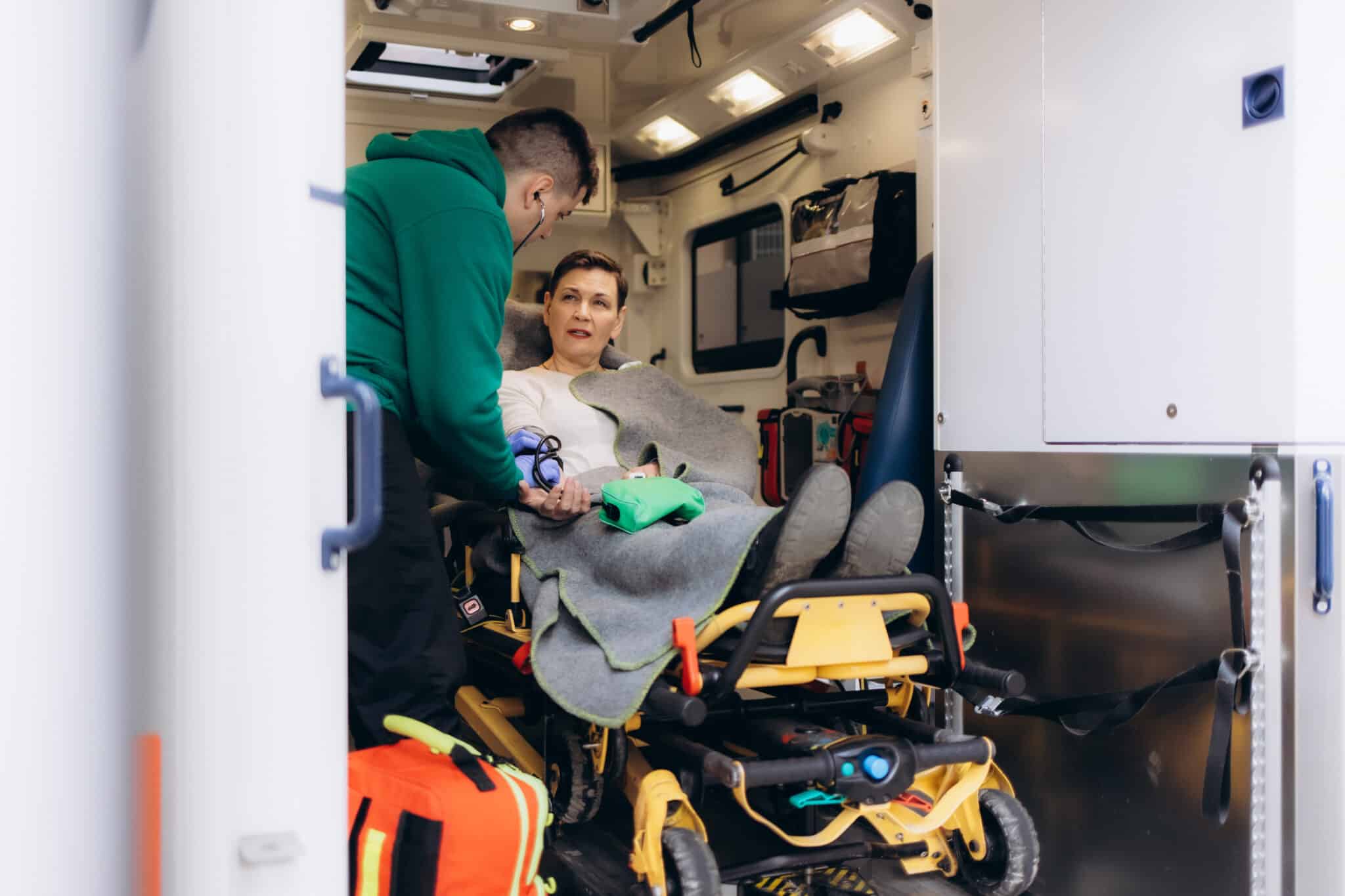
For several groups, this is the missing link in between first aid and progressed care. It is a tiny financial investment in training that pays back each time an individual exhales, unclenches their jaw, and lets you move on with the rest of the job.